7 Tips for an Eco Friendly Christmas
AD – Collaborative post
Celebrating Christmas doesn’t have to come at a cost to the planet. With a little effort and imagination, we can reduce the environmental impact of the festive season. While it may be the most wonderful time of the year, it’s not the most environmentally-friendly. Here are some tips and tricks to help you have a eco friendly Christmas.
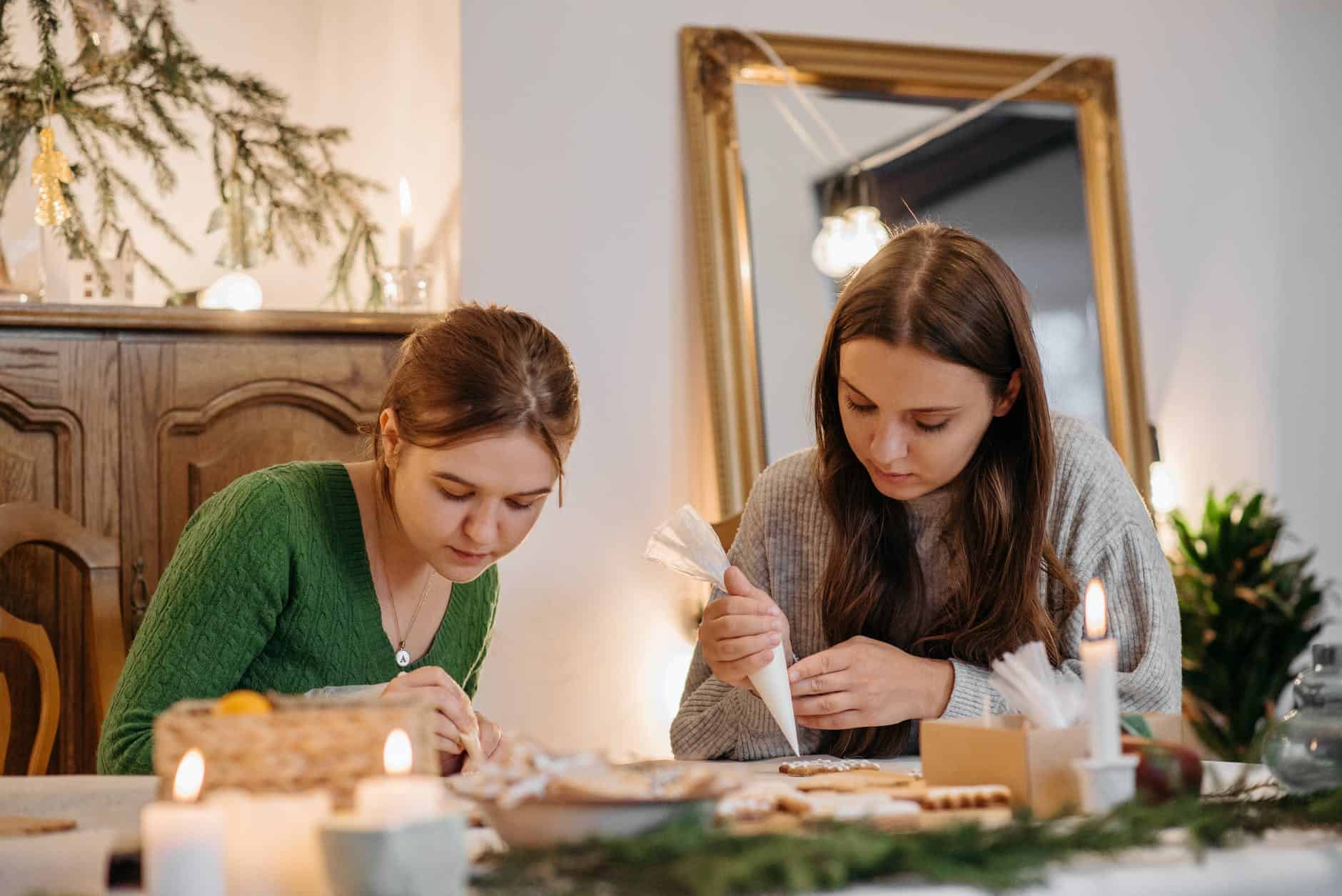
7 Tips for an Eco Friendly Christmas
Buy Less
The number one way to reduce your impact on the planet is to buy and consume less. Often producing and transporting a new product requires a substantial amount of resources. The more resources a product requires the more of an impact it has on the planet.
You can give more while consuming less by creating your own gifts. Homemade hampers, baked goods and knitted wear are all options if you have the creativity and skills.
Gifting an experience or service often requires little or no use of natural resources too. Here are some great experience gifts:
- A spa treatment or massage
- Entry to a local attraction
- A music lesson
- Car wash
- A playlist of all their favourite songs
- Museum memberships
Buy local
Give your local shops and markets some love this Christmas
When you buy from a big commercial outlet that transports products halfway around the world, the impact of transportation contributes significantly to greenhouse emissions and global warming.
When you buy local you skip the effect of transport on the planet. Local craft fairs and artisan shops are a good source for gifts that come without the added cost and impact of transportation. And gifts made locally support small business owners and the local economy.
Suggest Secret Santa
Shorten your Christmas list by putting everyone’s name into a hat and drawing out just one person to buy for. This will save everyone money, ensure that you all consume less and it also gives everyone the opportunity to focus on an extra special gift for the person whose name they’ve picked.
I’ve found that secret Santa works particularly well in groups of friends and with colleagues. But giving secret Santa a try amongst extended family will offer the chance to reduce your environmental effect further.
Donate or sell unwanted items
Selling unwanted items in the lead up to Christmas will free up some space in your home, boost your Christmas funds and allow another family to buy your second hand item instead of purchasing brand new.
A great way to teach children the spirit of giving during the holidays is to ask them to pick some toys that they don’t play with anymore to donate to someone less fortunate.
Reuse/Recycle
Aim to reuse and recycle wherever possible. If you’re worried about space at home for your recycled materials you could drop them off at a recycling centre or offer them to neighbours on sharing platform – olio.
- Cardboard boxes should be opened flat and set out for recycling; storing and reusing these boxes is even better.
- Reuse wrapping paper. Every year I use the plain brown paper you often get in packaging as wrapping paper and reuse as much as I possibly can.
- Recycle old electronics when you’re gifted a newer model. If your unwanted electronics are still in working order you may be able to pocket money in exchange for recycling them.
- Save gift bags and use for future present giving. My family and I have been using the same gift bags for several years.
- Christmas trees can be recycled too. Live trees that have been cut are a useful material for composting.

Plan A Conscious Christmas dinner
Food is the single most important, everyday way people can reduce their environmental impact. When you go Christmas food shopping, opt for loose vegetables (or those that are light on packaging).
Try to reduce the amount of meat you serve as part of your Christmas dinner too. The meat and dairy industry is responsible for more emissions than all the world’s planes, trains, cars and boats put together. If a meat-free Christmas isn’t for you then attempt to introduce a few plant alternatives.
Once you’ve all finished your dinner make sure to put the leftovers to good use. Transforming leftovers can be a great way to create new meals, save money and cut food waste.
Sustainable packaging
British marketplaces are being built around eliminating single-use plastics. More brands are switching to eco-packaging but we need to keep pushing brands to be more socially and environmentally responsible. Suppliers like Tyler Packaging are leading the way when it comes to effective technologies for a more sustainable future of packaging.
As consumers, we can also use sustainable packaging by avoiding plastic-coated wrapping paper and instead using brown paper or choosing reusable fabric wraps and sacks.
More ideas for an eco friendly Christmas
- Turn your houseplant into a Christmas tree
- Create your own decorations
- Send Christmas e-cards
- Re-wear last years Christmas jumper
- Gift a houseplant, birdhouse or donation towards sustainability
- Choose festive family walks over trips in the car
- Gift sustainable alternatives such as period pants, reusable cotton swabs or bees wax wraps
- Give plastic-free crackers a try
I’ll be adding to the list above and would love to include some of your ideas on having an eco friendly Christmas! Here’s to a sustainable Christmas and a green new year!