How Much Does a Graphic Designer Cost?
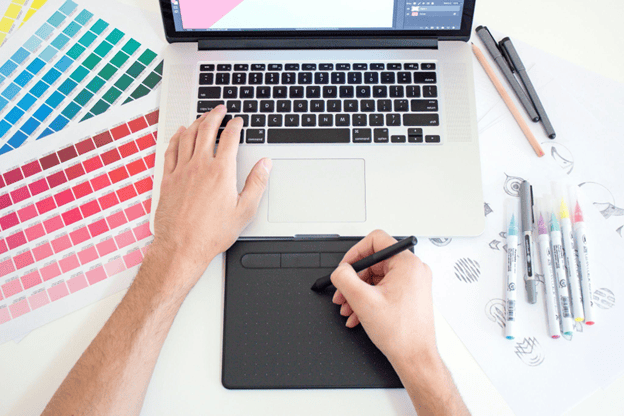
Hiring a graphic design service in the UK doesn’t come with a fixed price tag. You might pay £25 for a quick social media graphic or several thousand pounds for a complete rebrand. It all depends on the project size, the designer’s experience, and how the work is structured. Understanding how design fees work can help you avoid unexpected costs, compare quotes more confidently, and set a realistic budget based on what you actually need.
How Graphic Designers Structure Their Pricing
Hourly vs Project-Based Rates
Graphic designers usually charge either by the hour or by the project. The choice depends on how open or defined the task is.
Hourly pricing is common when:
- The work is flexible or ongoing
- You need occasional design help
- The project scope may change over time
In contrast, project-based pricing is used for clear, deliverable-based work like logo design, branding kits, or websites.
Typical UK pricing looks like this:
- Hourly rate: £25 to £80
- Logo design: £200 to £1,500
- Brand identity package: £800 to £5,000
- Website design: £1,000 to £10,000+
Project pricing often includes revisions, delivery files, and some consultation time, but it’s always worth checking the fine print.
Retainers and Design Packages
For businesses with regular design needs, a retainer agreement can provide reliable monthly support at a fixed cost. You pay upfront to reserve a set number of hours or deliverables each month.
Retainers often include:
- Priority scheduling
- A fixed number of hours (e.g. 10 hours for £500)
- Quick-turnaround tasks like social media graphics or email visuals
On the other hand, many designers offer predefined packages tailored to common needs. For example:
| Package Type | What’s Included | Price Range |
| Logo + brand kit | Logo, colour palette, fonts, basic guidelines | £400 to £1,200 |
| Social media bundle | 5 to 10 branded templates | £100 to £500 |
| Website starter pack | Homepage + 2 inner pages (desktop + mobile) | £1,000 to £3,000 |
Packages are cost-effective for clients with clear goals but often come with revision limits and delivery deadlines. Always confirm exactly what’s included before signing off.
Factors That Influence the Cost of Graphic Design
Scope and Complexity of the Project
The more complex and customised your project is, the more time it will take — and the higher the cost will be.
For example, a logo based on a simple concept might only take 5 hours. But if you’re asking for multiple design options, detailed illustration, or a full brand system with icons, typography, and usage guidelines, the work could stretch across several weeks.
Factors that increase project cost include:
- Number of deliverables (e.g. logo + social media + business cards)
- High levels of customisation or originality
- Tight deadlines or “rush” projects
- Design for multiple platforms (print, digital, mobile)
Most designers price their work based on estimated hours and the level of creative direction involved.
Designer’s Experience and Location
A junior freelancer may charge £25 an hour, while a senior designer with a deep portfolio and specialist skills might charge £80 or more. Agencies tend to charge more than individuals because you’re paying for a team of people, which may include project managers, strategists, or developers.
Here’s a general UK pricing guide:
- Junior freelancer: £25–£40 per hour
- Mid-level freelancer: £40–£60 per hour
- Senior designer: £60–£80+ per hour
- Design agency (regional): £70–£120 per hour
- Design agency (London): £100–£150+ per hour
Designers based in major cities like London usually charge more due to higher operating costs. However, regional designers or remote freelancers can offer comparable quality at lower rates.
What’s Typically Included in a Design Fee
Deliverables and Revisions
Most graphic design quotes will include a clear list of what you’re getting at the end of the project. For something like a logo, that usually means:
- High-resolution versions (JPG, PNG, PDF, SVG)
- Colour, black-and-white, and transparent formats
- Social media-ready versions (e.g. profile pictures)
- Basic style or brand usage guidelines
Most designers include two or three rounds of revisions within the project price. After that, changes may be billed hourly or quoted separately.
To avoid confusion:
- Ask how many revisions are included
- Check what defines a “revision” versus a “new request”
- Confirm when feedback needs to be submitted
This helps keep the project on schedule and within budget.
Licensing and Usage Rights
When you pay for a design, you’re also paying for the right to use it — but how you can use it depends on the licensing terms in your contract.
Most design fees include:
- Commercial usage across print and digital platforms
- Non-exclusive rights (the designer may show the work in their portfolio)
Extra costs may apply for:
- Exclusive or full ownership rights
- Resale rights (e.g. if the design will be used on merchandise)
- Copyright transfer to your business
Always clarify these terms before starting the project. If you’re launching a product or creating a long-term brand, it’s worth knowing exactly who owns what.
Comparing Freelancers vs Agencies
Price and Service Differences
Freelancers tend to offer better rates and more flexibility, making them ideal for smaller businesses or one-off design tasks. You work directly with the designer, which often leads to quicker communication and a more hands-on approach.
Agencies are better suited for larger or more complex projects. They can provide full-service support that may include branding strategy, content creation, copywriting, or web development alongside design.
You’ll typically pay more for an agency, but you’re also paying for structure, scale, and a team behind your project.
Evaluating Value for Money
It’s easy to assume that the more expensive option is better, but price doesn’t always equal quality. What matters most is whether the designer’s style, process, and communication match your brand’s needs.
To assess value:
- Review their portfolio for similar projects
- Ask how they handle revisions, feedback, and timelines
- Read testimonials or ask for client references
- Make sure their style aligns with your brand goals
A good match will save you time, avoid frustration, and lead to better results — even if they’re not the cheapest option on paper. A well-planned design project can pay for itself if it improves customer experience and supports revenue growth, especially when it’s structured as a profitable UX design venture.
Budgeting and Negotiating Design Costs
Setting a Realistic Budget
Design costs should be based on your goals and the value the design will bring to your business. A quick logo for a side project may only cost £200, while a full brand launch for a growing company could require a budget of £2,500 or more.
Rough price guidance:
- Basic logo design: £200 to £500
- Brand identity package: £800 to £2,500
- Website design: £1,500 to £10,000+
To stick to your budget:
- Prioritise core deliverables
- Ask about phased delivery options
- Request an itemised estimate with clear timelines
- Be honest about what you can spend — some designers will tailor their offer
Contract and Payment Terms
A professional designer will always provide a contract or written agreement. This should outline:
- Scope of work and deliverables
- Project timeline and deadlines
- Number of revisions included
- Payment structure and schedule
- Licensing and usage terms
Most designers request a deposit between 25% and 50% to begin work. The balance is typically paid upon project completion or in stages based on milestones.
Before starting, confirm:
- When payments are due
- What happens if you cancel the project
- How additional work or delays are billed
Clear agreements protect both parties and help the project run smoothly from start to finish.