Why You Should Start a Vegetable Garden
If you’ve been curious about gardening, but you’re just not sure if you’re ready to start growing your own fruit and vegetables, you’re in the right place. It’s an intimidating thing to do. The idea that you could be in control of growing multiple different types of herbs, fruits, and veggies seems like a lot of work and truthfully, it can be. You might be nervous about having limited space considering you don’t have a field to farm. You might be worried about what types of fruits and veggies you can actually grow in your specific climate.
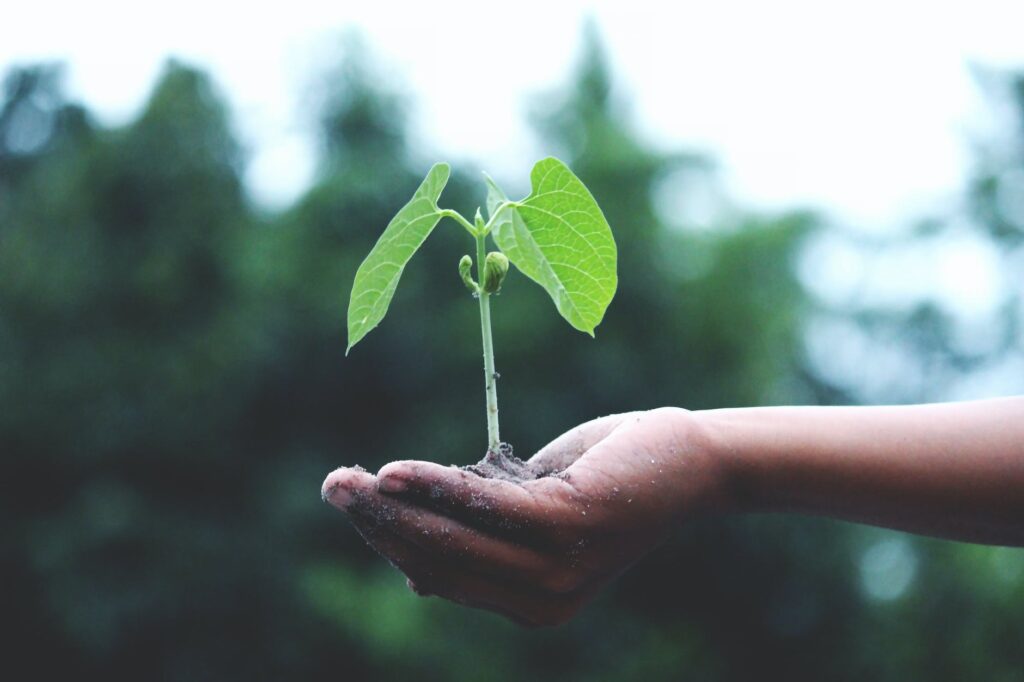
Learning by starting a garden and growing your own food is a good idea. It is just the first place to begin and you can read this article with no pressure. You don’t have to start your vegetable garden tomorrow. In fact, you could just get equipped with a lawnmower and a weed whacker and start looking after your garden a little bit first. Once you understand how to look after the space, you can Start learning how to grow your own food. If you’d like to know why you should start a vegetable garden of your own, keep reading because we do have some of the reasons for you below.
- You can better connect with nature. A vegetable garden is a great way to get in touch with your green thumb. It’s a hobby that you can benefit from because you can use the food that you grow as a way to connect with nature around you. You could start small with herb planters or a hydroponic garden for your kitchen, or you can get your hands stuck into the and raise some beds and some drama with some vegetables. Tending plants in your garden has its very own set of health benefits. Not only do you get some safe sun exposure and enjoy fresh air, you get to relax and de stress while taking out some energy on your garden beds.
- You have the opportunity to save money. Growing your own food can save you both time and money. In fact, imagine not having to go to the grocers every time you want to have some fresh fruit or vegetables. You could take the carrots and herbs directly from your own garden. You could even bury and start growing potatoes. You’ll be able to put nutritious food on the table that doesn’t have any pesticides, and you won’t have to pay for it. You can’t really ask for more than that.
- You’ll be able to cut back on waste. Sustainable living demands that we recycle, and we do what we can to reuse. A home garden helps you to cut back on waste when you’re only picking what you need. Even if you harvest a few too many zucchinis or radishes, you can still repurpose them. You can do the same thing with spring onions in your fridge. You could try your hand at composting by tossing fruit peels, rinds, grass clippings, coffee grounds, and so much more in a compost bin, and then you’ll have fresh compost ready for your garden.
- No more pesticides. When you grow your own food, you get to grow organic. Typical pesticides can be quite harmful to other animals and birds, and while there still are some earthly friendly options out there that you can try, you get to decide exactly what your plants are exposed to when you’re building up your own garden. Mulch, for example, pulls that double duty of cutting back on your waste while also acting as a pesticide. You don’t have to worry about your plants being covered in different chemicals!
- You get to pick what you grow. If you’re somebody who loves heirloom tomatoes or you want to have Meyer lemons ready to drop, then you could plant Meyer lemon trees and you can plant the heirloom tomatoes to your heart’s content. If you love carrots on your Sunday roast or if you like to have peas in all of your food, then there is so much that you can do by growing the food that you love to eat. Plus, there will be very little waste
When you go to the supermarket or the grocers, you never really know how long it’s been since the produce that you have was harvested. Starting your own vegetable garden means you know exactly when you planted your food, and that means you can go ahead and harvest it when you know it’s ready.