How Electric Radiators Can Make Your Home More Eco-Friendly
Ad – Collaborative Post
Electric radiators are just like central heating radiators except they don’t rely on a network of plumbing to deliver heat. They contain a thermodynamic fluid, usually oil, that warms up when electricity passes through it. The fluid expands and the radiator releases the heat to the surrounding air.
Electric radiators offer a practical and stylish way to heat a room without a central heating supply. They look more modern and match that with their updated functionality. Some are able to be controlled by wifi, others through an app, and they can also be programmed to reach certain temperatures and set times (improving efficiency by up to 75%).
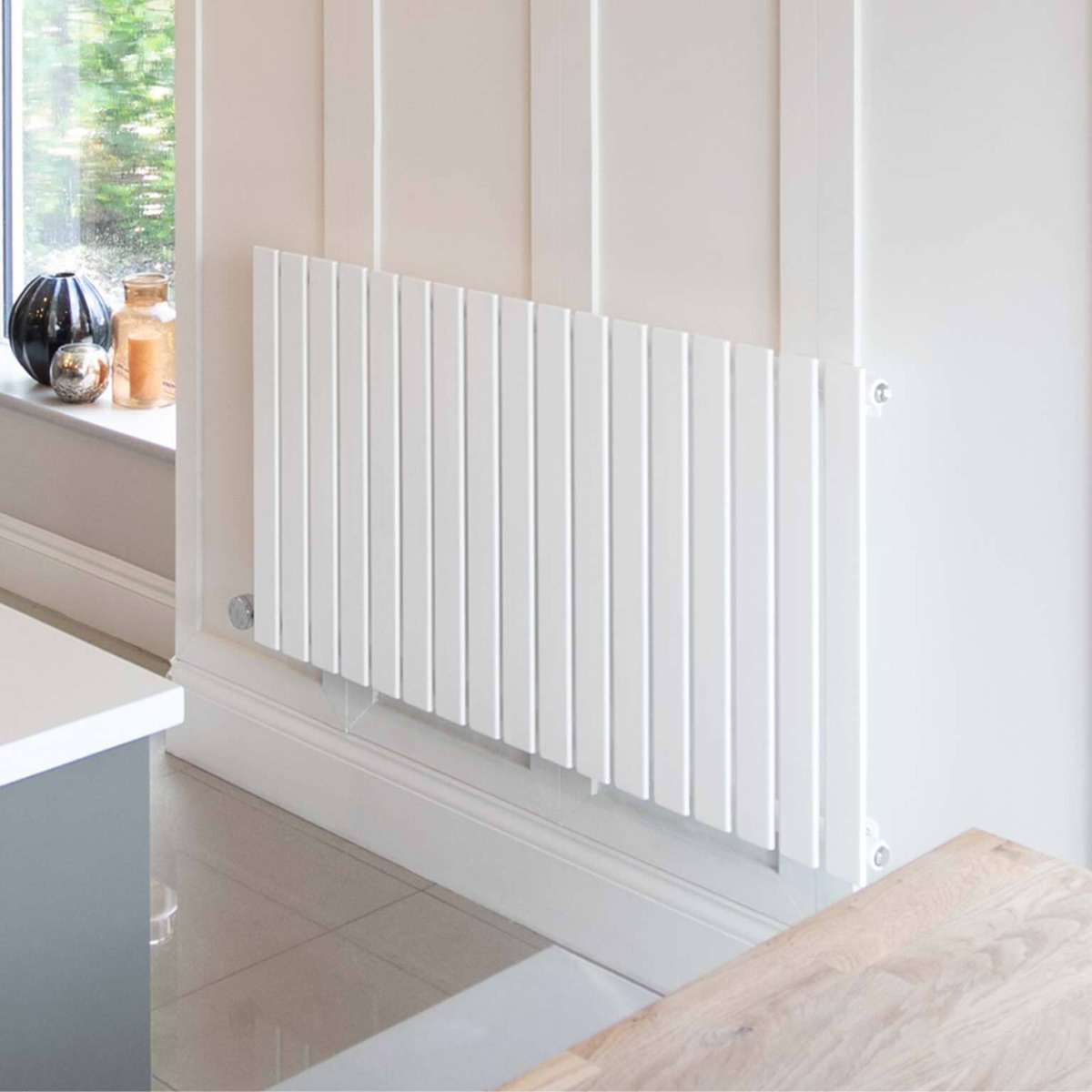
Is electric heating more eco friendly?
The Pros and Cons of Electric Radiators
There are many benefits to installing electric radiators in your home (or office), including:
- Quicker to heat up than gas central heating system
- No moving parts (less chance of a fault developing)
- No ongoing maintenance – no need to bled or balance
- No pipework – cutting the cost of and speeding up installation
- Increased efficiency of your home
- Zoned heating – you can manage them on a room-by-room basis
- Home heating solution for properties that aren’t connected to the gas network
There aren’t many disadvantages to having electric heaters, but here are some important things to consider:
- Electricity can be an expensive fuel
- If there’s a power cut you’ll be left without heating
Are Electric Radiators More Eco-Friendly?
Yes, electric radiators heat up the room much faster than a traditional gas fired central heating system and use energy in a highly efficient manner.
Electric radiators are 100% efficient at point of use, as every watt of electricity taken from the wall is converted into heat, meaning nothing is wasted. When paired with renewable energy sources, such as wind and solar power, they become a completely carbon neutral heating solution from start to finish. The government’s Clean Air Strategy 2019 acknowledges electric heating as the cleanest heating method.

The Clean Air Strategy sets out plans for dealing sources of air pollution, making our air healthier to breathe, protecting nature and boosting the economy.
Many of the electric radiators at electricradiatorsdirect.co.uk are manufactured from recycled steel and aluminium, which is incredibly eco-friendly. They’re also 100% recyclable – so when your radiators reach the end of their life, they won’t spend years decomposing in a landfill.
As fossil fuels, including gas, are expected to run out within the next 40 years an alternative way of heating homes is needed. The answer? Electricity. When the Gas Boiler Ban comes into play, every household will have to switch to a different heating solution. Electric is becoming the clear choice for a sustainable future and unlike gas boilers, there’s no inefficient combustion and no harmful emissions.
Electric radiators – what to look for?
The first thing you should consider when looking for an electric radiator is whether it has the right wattage to heat your space. It’s best to round up to the next nearest wattage when choosing an electric radiator and purchasing a slightly more powerful radiator – this just means the heater will switch off more often when your room is comfortably heated. An underpowered radiator, however, will struggle to heat up adequately and waste more energy in the process.
If you’re considering fitting several electric radiators, it’s recommended that you consult an electrician to ensure you don’t overload the ring main of your property.
You’ll also need to think about the type of heating method you prefer:
- radiators with dry thermal elements (quick to heat but quick to cool)
- oil-filled electric radiators (retain heat for longer but are slower to respond to changes)
Another consideration is the modes and features you want your radiator to have. The variety of programming capabilities electric radiators have to offer help to make them easy to control and more efficient, which in turn is better for the environment. This can include features such as:
- Precision digital thermostat
- Weekly programming
- Open window detection
- Adaptive start
- Anti-frost mode
- Eco mode
- Smart control
Smart control is beneficial as it gives more scope for improving efficiency and energy usage. The main types of smart control include Bluetooth, WiFi, voice & motion detection. You can also integrate your radiator with smart systems you already have at home, such as Amazon Alexa & Google Home
The Cost of Electric radiators
The average cost of electricity per kWh is 14.37p, and the average gas cost per kWh is 3.80p. Therefore, the baseline cost of electricity is higher than gas. Although the running cost of gas makes it appear like an obvious choice, once you look at the bigger picture, gas begins to lose its appeal.
The Government’s Clean Growth Strategy states the need to reduce the emissions created by heating our homes and businesses, which account for almost a third of UK emissions. With governmental authorities looking to cut down on emission levels, it’s important to consider the future when planning your home heating system. It seems that increased emphasis on electric and reduced use of non renewable is likely.
This along with the use of renewable energy for electricity production growing rapidly could see electricity prices begin to fall in the near future. As fossil fuels begin to run short the prices of gas is likely to increase.
More Eco Friendly Tips
22 Ways To Save Money & The Environment
Reasons To Support Local Businesses