5 Tips for Beginner Investors
This is not financial advice. Your capital is at risk with any type of investment; profits may be subject to tax; and the value of any investment could fall.
Investing can be overwhelming, particularly if you’re new to the world of investing. When I first begin to explore investments I had lots of questions around what platform to use, how safe my investments are, and when exactly I should start investing. There’s a lot of information out there but it’s not often tailored to people who have never invested before.
Of course I can only speak from my own experience and you should always do some research into what options will suit your own personal circumstances before jumping head first into any type of financial product. But here are my 5 top tips for success as a beginner investor.
5 Tips for Beginner Investors

5 Tips for Beginner Investors
My investment journey
I begin investing outside of my workplace pension in 2021. I set myself the goal of early retirement and I figured that leaving money in a savings account wasn’t going to help me achieve this goal. I spent several months trying to figure out what I should invest in and decided that a globally diversified index fund was my preferred option.
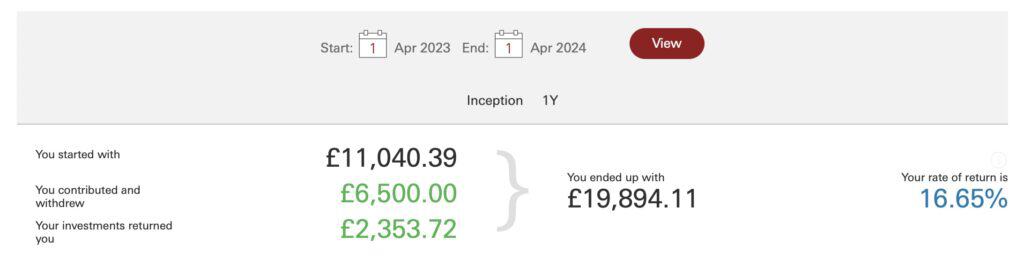
I started with small irregular investments using a Stocks and Shares ISA (to maximise my tax efficiency), and I now invest £500 every payday. My investments currently stand at around a 16% return.
Before you Start Investing
Investing is a great way to plan for your financial future – but not all investments are created equally and investing might not be the best option for everyone. Before you even think about investing it’s best to start with these 3 things:
- Pay off high interest debt
- Build up a modest emergency fund
- Educate yourself
First let’s talk about debt, if you have high interest debt (e.g. credit card or loan), chances are you should focus on paying that off first. When you invest, you’re aiming to increase the value of your money; it’ll be challenging to grow your money if you’re paying interest on debt that you owe.
Once you’ve paid off debt, you should look to build an emergency fund. Emergency funds can help you out of any financial hiccups such as temporary loss of income, home repairs or unexpected bills. It’s highly recommended that you don’t invest your emergency fund as you may need to access this in a hurry.
And finally one of the most important steps you can take as a beginner investor is to educate yourself about the basics of investing. Take the time to learn about different investment options, such as stocks, bonds, mutual funds, and exchange-traded funds (ETFs). Understand the concept of risk and return, and familiarise yourself with key investment terms and principles. There are plenty of resources available, including books, online courses, and financial websites.
Think Long-Term
Focusing on investing for the long term is generally considered the most sensible strategy. Investments held for longer periods tend to show lower volatility than those held for shorter periods, and the longer you invest, the more likely you are to ride out low market periods.
Investing is definitely not a get-rich quick scheme – it requires patience. Plus, the longer you remain invested, the longer your money has to grow. You can boost your investment growth through the power of compound returns (re-investing any returns).
Another advantage to a long-term strategy is less trading fees. Every time you buy or sell an investment, you pay trading fees, so the more you jump in and out of the market, the more you’ll pay in trading fees.
The Motley Fool recommends only investing if you’re willing to let it grow for five years or more.
Claim Free Investments
When I began investing, I started by claiming some free credit towards investments. Here are some of the best free investment offers available.
- Robinhood – When you open a Robinhood Invest account, you’ll get a free share worth £5-£100 when you deposit £1. Earn up to $1500 from referrals every year.
- WeBull – claim 3 fractional shares worth between $9-$900 by signing up (and leaving £1 in your account for 180 days).
Find the Right Platform
So you’re finances are in order and you’re thinking long-term, now it’s time to get started – but what platform should you choose? Especially for new investors, selecting the best online stock broker can mean the difference between an exciting new income stream or a frustrating disappointment.
When it comes to investing it’s important that you find the platform that is going to work best for you. You should select a platform based on what’s important to you as an investor, and consider the following points:
- Associated trading fees
- Ease of use
- Trading tools
- Educational resources
- What product you are able to invest in
Sortter works like a comparison site, using your preferences to compare and recommend the best investment platform for you. It’s free to use and might just help you on your way to finding the right platform.
The Less Emotion the Better
Investing is a long-term endeavor, and success often requires patience and discipline.
According to Mignify Money two-thirds of investors regret emotional, impulsive investing decisions. When it comes to your finances, and particularly your investments it’s better to listen to your head rather than your heart. The worst time to sell an investment is when the market is down – be patient and keep your long-term perspective intact.
Although it can be tempting, it’s best to not check your investments daily. Constantly looking at how your investments are doing is likely to encourage you to impulse buy or sell. Check as little as possible and remember that small bumps are normal.
Faster investment decisions are typically fraught with anxiety and emotion, instead take time to deliberate, don’t let yourself be pressured or hurried and write down the pros and cons of a particular decision. This will help you be less emotional and make a better considered decision.
Understanding behavioural biases such as confirmation bias, anchoring bias and loss aversion bias is crucial for investment success.

Investing for beginners
My Investment Strategy
It can be tempting to jump right in to investing in all your favourite brands, but if you’re a beginner investor it’s best to avoid individual stocks as these carry greater risk.
An index fund is a portfolio of stocks or bonds. The S&P 500 index fund for example is made up of 500 U.S. large-cap companies including Apple, Amazon, and Microsoft. They are viewed as ‘lower risk’ as your investment is diversified. Historically, index funds have outperformed other types of funds that are actively managed by top investment firms.
I invest a percentage of my monthly wage into an index fund through a Stocks and Shares ISA (this means any dividends or growth is tax-free). Then any extra income I earn throughout the month is added to my S&S ISA.
More Investment Talk
Investing is an important topic when it comes to being money savvy. Please do take the time to do your research before investing your time and money into any financial product. Here are some more investment posts to help you on your way.
Freetrade App Review + Freetrade Free Share Worth Up To £200
Easy 5 Step Guide To Ethical Investing
Wealthyhood Review – Start Investing with as Little as £10