5 Factors That Determine How Much It Costs to Wrap a Truck
Why do two trucks that look almost identical end up with completely different wrap quotes? It’s a fair question, and one that trips up a lot of fleet owners the first time they start shopping around. The answer isn’t hidden in fine print. It comes down to a handful of specific factors that shape every quote a shop puts together.
The U.S. Small Business Administration recommends creating a marketing plan that accounts for costs, goals, and measurable results, which is why understanding the factors behind a truck wrap quote can help businesses make a more informed investment decision.
Whether you manage one work truck or a growing fleet, understanding these factors makes the whole process less confusing. It also helps you spot a fair price when you see one. Here are the five biggest things that decide the final number, and why the same truck can carry two very different price tags depending on the choices made along the way.
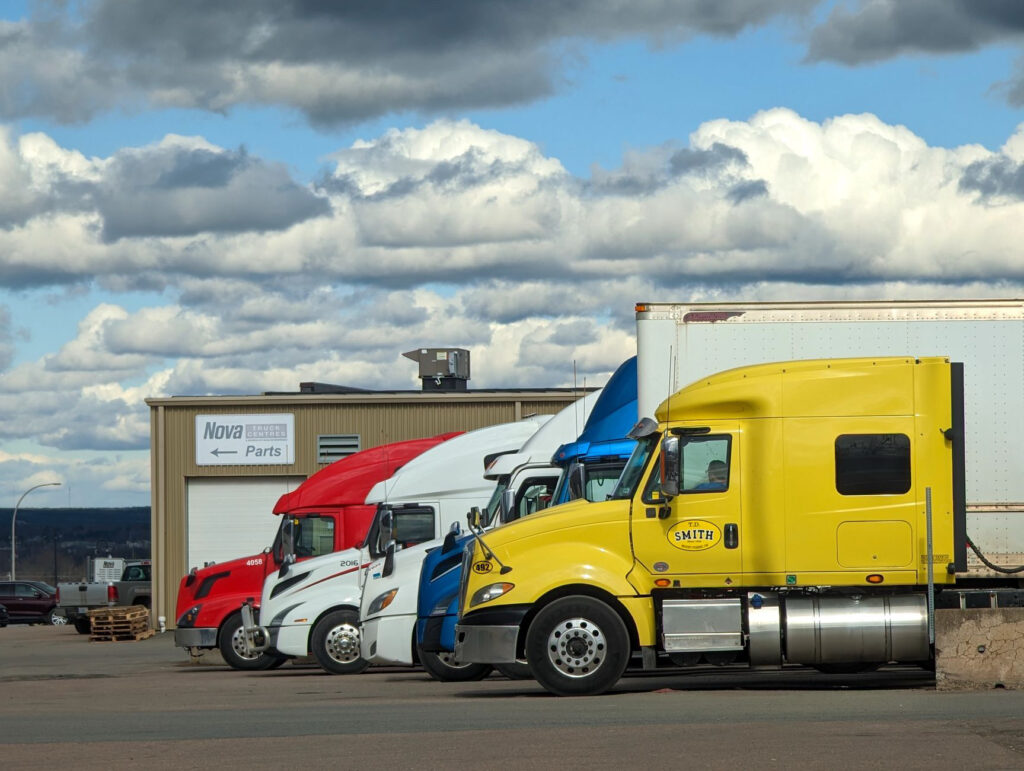
1. The Size and Shape of the Vehicle
This is the most obvious factor, but it’s worth spelling out clearly before moving on. A compact pickup uses far less vinyl than a box truck or a long-bed cargo van, so material costs scale directly with the vehicle’s surface area.
Shape matters just as much as size when it comes to the final number. Trucks with lots of curves, mirrors, running boards, and body lines take more time and skill to wrap cleanly than a flat-sided van, which adds labor hours to the job.
2. Full Wrap Versus Partial Wrap
Not every business needs to cover every inch of the truck to get good results. A full wrap covers the entire vehicle and delivers the most visual impact, while a partial wrap covers select panels like the doors, hood, or tailgate.
Partial wraps cost less because they use less material and take less time to install, but they also offer less total ad space to work with. The right choice usually comes down to budget and how much visibility a business actually needs.
3. Design Complexity
A simple logo on a solid color background is a fast, straightforward print job that keeps costs predictable and easy to estimate. A wrap with detailed photography, gradients, fine text, or intricate graphics takes considerably more design time upfront before a single panel gets printed.
Installation also takes more precision around curves and panel gaps when the design is complex. This is one of the biggest hidden cost drivers, since two trucks of the same size can carry very different price tags based purely on artwork complexity.
4. Vinyl Quality and Lamination
Not all vinyl is created equal. Premium cast vinyl holds color better, resists fading, and lasts longer than economy films, which matters most if the truck spends most of its life outdoors.
Adding a laminate layer boosts scratch resistance and UV protection, extending the wrap’s lifespan even further. Paying more upfront for better material often means fewer years lost to fading or premature peeling down the road, which keeps the truck looking presentable well past the point a cheaper wrap would have needed replacing.
5. Installation Conditions and Labor
Where and how a wrap gets installed also plays a significant role in the final price. A clean, climate-controlled shop with experienced installers tends to produce a longer-lasting result than a rushed job completed under inconsistent conditions.
Vinyl needs the right environment to adhere properly, and installers with real experience know how to handle tricky areas like door handles and mirrors without leaving bubbles behind. That expertise is part of what a fair quote actually reflects, even when it isn’t spelled out as a separate line item.
Why the Same Truck Can Get Very Different Quotes
Two shops looking at the exact same vehicle can arrive at surprisingly different numbers, and it usually isn’t because one is trying to overcharge. A few specific differences are usually what’s actually driving the gap.
● Warranty coverage: Some quotes include a multi-year warranty, while others charge extra or offer none at all.
● Design revisions: The number of design changes included before extra fees kick in varies quite a bit.
● Old wrap removal: Removing an existing wrap takes time and labor that some quotes include and others bill separately.
● Lamination: Premium laminated vinyl naturally costs more than a base film without added protection.
Comparing quotes this way surfaces real differences instead of just reacting to whichever number looks smallest. Knowing how much to wrap a truck typically costs for a given vehicle type gives you a baseline to measure any quote against.
RoadRunner Wraps is among the options worth reaching out to, with pricing broken down clearly enough that fleet owners can see exactly what they’re paying for before committing to a shop.
How to Get the Most Value From a Truck Wrap Investment
Getting the most out of a wrap starts well before installation day, with choices around design and material that shape how long the investment actually lasts. Opting for a simpler, bolder design over intricate detailing often means faster installation and fewer seams that can lift over time, while still leaving plenty of room for strong branding.
Material choice matters just as much as design simplicity when it comes to long-term value. Choosing premium cast vinyl with lamination costs more upfront, but it holds color and resists wear far longer than economy film, which means the wrap keeps earning attention for years instead of needing an early replacement.
Final Thoughts
The cost to wrap a truck isn’t a mystery once you break it down. Vehicle size, coverage choice, design complexity, material quality, and installation conditions all combine to shape the final price. Knowing these factors ahead of time means fewer surprises, better comparisons between shops, and a wrap that actually holds up as long as it’s supposed to, no matter how many trucks are added to the fleet down the road.