How to Catch Up on Unfiled US Taxes Without Facing Heavy Penalties
Realized you haven’t filed a U.S. tax return in years? You’re genuinely not alone, and panicking probably isn’t the best first move. Many Americans living in the UK assume that once they’ve settled abroad, their U.S. tax obligations quietly disappear. They don’t, but that doesn’t mean catching up has to be overwhelming.
The IRS has specific procedures that can help eligible taxpayers become compliant with previously missed filings. Understanding which process applies, what documents are required, and how the filings need to be submitted can make the situation much more manageable. The important thing is to address the issue before it becomes more complicated and to understand your options rather than continuing to put it off.
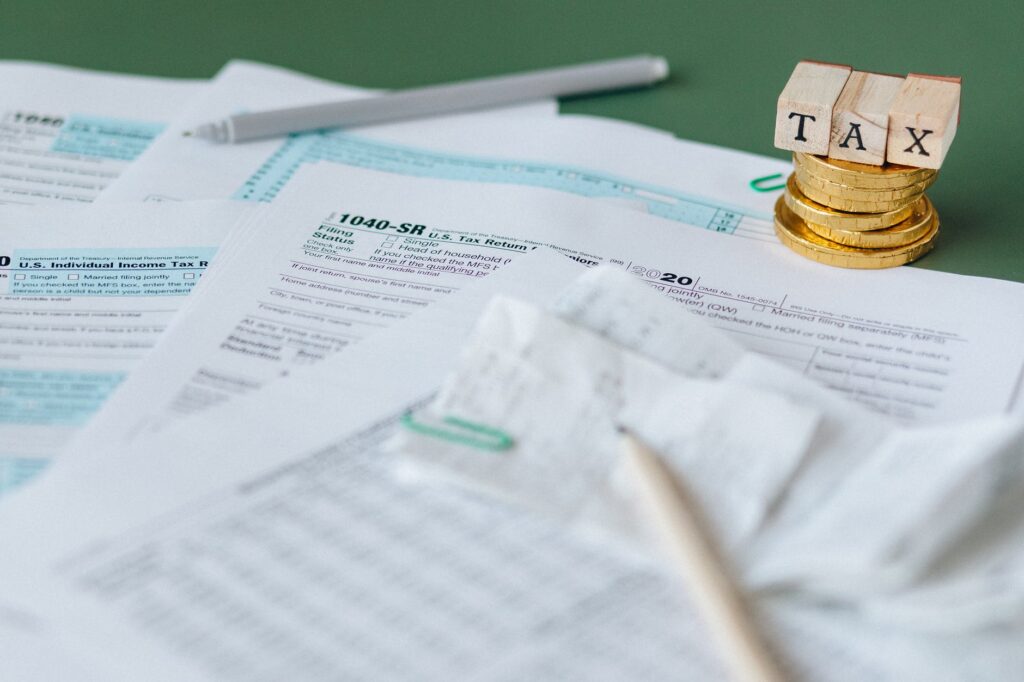
How the IRS Actually Lets You Catch Up
The mechanism itself comes straight from the IRS. According to the agency’s own guidance, eligible taxpayers using the Streamlined Foreign Offshore Procedures catch up by filing delinquent or amended tax returns for the most recent three years, filing delinquent FBARs for the most recent six years where applicable, and submitting the full amount of tax and interest due alongside those filings.
Follow those steps correctly and you avoid failure-to-file penalties, failure-to-pay penalties, accuracy-related penalties, and FBAR penalties entirely, even if the return later gets selected for audit, unless the IRS determines the original non-compliance was fraudulent or willful. That’s the actual mechanism: three years of returns, six years of FBARs, full payment, correct paperwork, penalties waived.
How to Know If You Actually Qualify
Before filing anything, confirm you meet three conditions:
● Non-willful conduct. Your failure to file has to stem from negligence, a misunderstanding, or an honest mistake, not deliberate avoidance. A single missed year rarely raises red flags on its own, but a longer pattern needs a credible, honest explanation.
● The residency test. You generally need to have spent at least 330 full days outside the US during one of the last three tax years, without maintaining a US abode during that time. This is a specific, calculable threshold, not a rough impression of how long you’ve lived abroad.
● No prior IRS contact. If the IRS has already reached out about your missing filings, this specific path is closed to you, which is exactly why acting sooner rather than later matters so much.
Meet all three, and you’re eligible. Miss even one, and you’ll need a different route back into compliance, so it’s worth confirming this before you invest time preparing documents.
How the Actual Filing Process Works
Once eligibility is confirmed, the filing process itself matters just as much as gathering the paperwork. Each return needs to be properly identified as part of the streamlined procedures and submitted according to the IRS’s specific filing requirements. The package also needs to include a signed certification explaining why the previous filings were missed.
Clear guidance can be particularly useful when working through these requirements. The Streamlined Procedures cover the tax returns, FBAR filings, and certification that need to be prepared and submitted correctly.
MyExpatTaxes provides guidance on the streamlined filing process and explains how the different pieces fit together. Following each requirement carefully can help taxpayers avoid unnecessary complications and ensure their submission is complete.
How Much You’ll Actually Need to Gather
The paperwork may sound complicated at first, but the streamlined process generally revolves around a defined set of documents. Before getting started, it helps to understand what you’ll need to collect:
● Three years of federal tax returns: These may need to be filed or amended to correct previously missed income or reporting requirements.
● Six years of FBAR filings: These generally apply when the combined value of qualifying foreign financial accounts exceeds $10,000 at any point during a calendar year.
● A signed explanation: You will need to provide an honest statement explaining why the required filings or disclosures were not made previously.
Gathering these records early can make the process much easier. Bank statements, previous tax documents, and other financial records may also help you accurately prepare the required filings.
The key is that the process follows a defined framework. It is not necessarily about producing years of paperwork or entering into a lengthy negotiation with the IRS. Having the required filings, supporting records, and a clear explanation ready can make it easier to move forward.
How to Avoid Turning This Into a Bigger Problem
One of the biggest mistakes is simply waiting too long to address the issue. The longer an unresolved tax matter sits, the fewer options may be available, particularly if the IRS contacts you before you take action.
You do not necessarily need every document perfectly organized before getting started. Taking the first step, gathering the information you have, and determining which compliance option may apply can help you understand your position and avoid unnecessary delays. Acting sooner generally gives you more opportunity to address the situation on your own terms.
Conclusion
Catching up on years of unfiled US taxes comes down to a specific, learnable sequence: confirm you meet the non-willful and residency requirements, prepare three years of returns and six years of FBARs, mark and submit everything correctly, and move before the IRS reaches out first.
None of these steps require dread or guesswork once you understand the actual mechanics involved, and for anyone who’s been putting this off, that clarity alone is usually enough to finally take the first step.