The rise of digital payments in the UK and what it means for everyday money management
If you live in the UK, you’ve probably noticed how rarely you reach for your wallet anymore. The weekly food shop gets tapped through on your phone. The morning coffee is paid for with a glance at your smartwatch. Splitting the dinner bill? Done in seconds via a bank app. And the interesting bit is that none of this feels remarkable now. Gone are the days when you had to go to the bank or have cash on hand to complete a transaction.
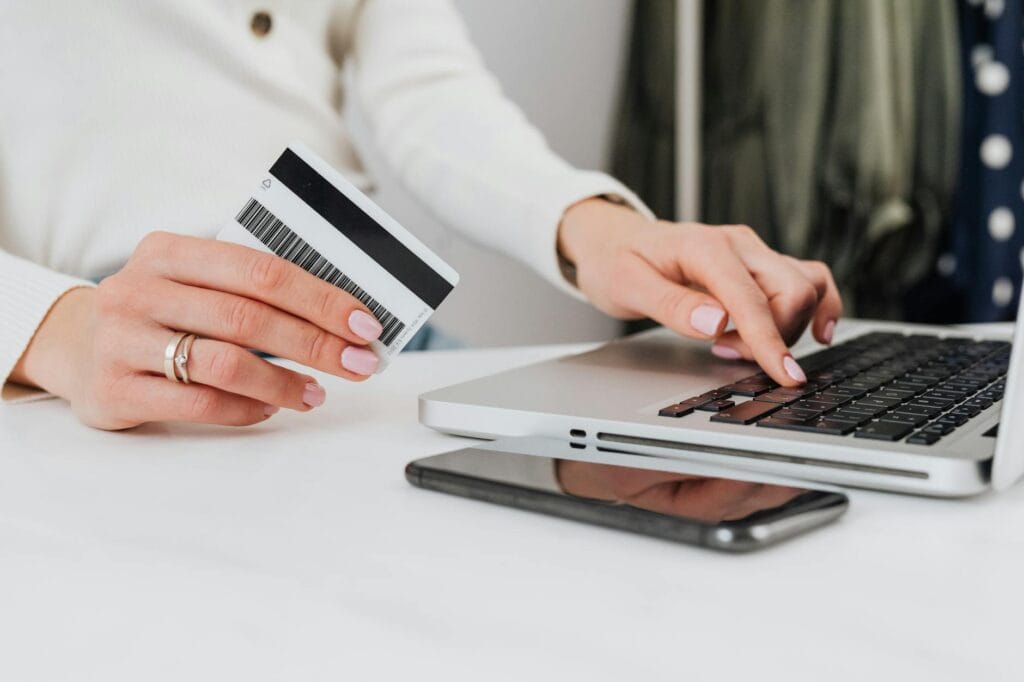
Today, you can make all your purchases in seconds, thanks to advances in technology. According to UK Finance, cash payments fell to just 9% of all UK transactions in 2024, down from nearly half of all payments a decade ago in 2014. Imagine, in ten years, cash went from being how almost every other transaction was settled to being a rounding error in Britain’s financial habits.
And the trajectory isn’t slowing down. UK Finance projects cash will account for just 4% of payments by 2034. Thankfully, businesses across various sectors are paying attention to these statistics.
Take the high-risk industry, for instance. Aware that customers long for smooth digital transactions, businesses in this sector are partnering with reliable UK high risk merchant account providers to meet those expectations. As such, it’s not a surprise that, according to Mordor Intelligence, the UK payment market is expected to grow from $0.58 trillion to $1.05 trillion by 2031. But what does all of this actually mean for how you handle your finances day to day?
Contactless and mobile wallets have crossed the tipping point
There’s a moment in every technological shift when a behaviour stops feeling new and just becomes normal. For mobile and contactless payments in the UK, that moment has arrived. Contactless now accounts for 66% of all credit card transactions, making it the dominant in-store payment method in the country, according to the Payment Association. Meanwhile, Yahoo Finance reports that 57% of UK adults were registered with a mobile wallet like Apple Pay in 2024, up sharply from 42% the previous year.
And it shouldn’t be surprising that a significant percentage of these users make regular payments after registration. In fact, IBS Intelligence forecasts that the country’s digital wallet spending will jump from £269 billion in 2025 to £453 billion by 2030. That’s a 68% increase in just five years!
And one major reason for this growth is how seamless digital transactions are becoming. But when payment is frictionless, spending tends to feel less tangible. The physical act of handing over notes creates a psychological moment of loss that a tap or a glance bypasses entirely. Behavioural economists call this the “pain of paying,” and digital payments significantly reduce it.
Well, that’s not to say these payments are entirely bad. No, their convenience genuinely has value, only that the discipline of managing spending has to come from somewhere else. It can no longer come from the friction of cash itself, explaining why more people are relying on online budgeting tools.
Open banking is changing the rules of personal finance
While it might feel less glamorous to some, open banking is becoming one of the most important forces reshaping personal finance in this country. Launched in 2018, open banking allows people to securely share their financial data with regulated third-party apps and services, all with their explicit consent. And when you look at how far it has come, you may be surprised to learn that over 16 million people now use open banking-enabled services across the UK.
In 2025, payments made through this channel rose by 57%, reaching 351 million. For someone managing their finances, this means that for the first time, you can give a single budgeting app permission to read data across your current accounts in real time, without downloading statements or updating spreadsheets.
Apps like Emma automatically categorise your spending, while others use your transaction history to calculate how much you can afford to save and move it automatically. In the long run, you have a system that gives you a much clearer picture of your financial life than traditional banking ever could.
Security is becoming part of the payment experience
As digital payments become more common, security naturally becomes a concern for consumers. After all, no one wants to use a payment method they aren’t sure is secure. And this comes at a time when cyberattacks are increasing at an alarming rate.
Thankfully, payment security has been advancing alongside the growth of digital transactions. Features such as biometric authentication and real-time fraud monitoring have become standard across many banking platforms. But these features may be of no help if customers themselves become complacent about their online habits.
This is why modern money management increasingly includes proper cybersecurity measures. It means users:
- Enabling two-factor authentication
- Keeping banking apps updated
- Avoiding suspicious links
- Regularly reviewing account activity
In other words, managing money today is no longer just about budgeting and saving. It also involves understanding how to protect digital financial assets in a world where the number of malicious actors is increasing.
[mailerlite_form form_id=1]