What Is CFD Trading and Why UK Investors Keep Talking About It
If you spend any time in British investing circles these days, from money forums to weekend finance columns, you will keep bumping into three letters: CFD. For a growing number of UK investors, contracts for difference have become one of the most talked about ways to take a position on the markets, from shares and indices to commodities like oil, gold and silver. Yet plenty of people still nod along without really knowing what a CFD is or why it has caught on so strongly in Britain. Let us unpack it clearly, without hype and without pretending it is a shortcut to easy money.
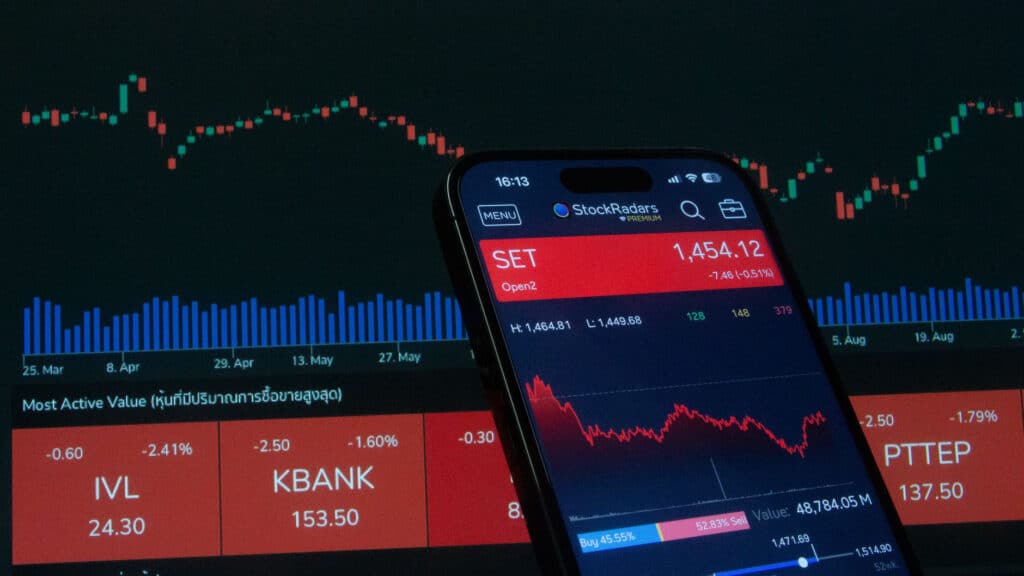
At its core, a CFD is an agreement to exchange the difference in the price of an asset between the moment you open a position and the moment you close it. You never actually own the underlying share, barrel of oil or ounce of gold; instead, you speculate on whether its price will rise or fall. If you think a market will climb, you go long; if you think it will drop, you can go short. That ability to profit, in theory, from falling as well as rising markets is one of the features that has made CFDs popular with UK traders who want flexibility rather than simply buying and holding.
The second defining feature is leverage, and this is where both the appeal and the danger lie. With a CFD you put down only a fraction of the full value of the position, known as margin, while gaining exposure to the entire amount. This magnifies your potential gains, but it magnifies your potential losses in exactly the same way. It is a point that cannot be repeated often enough: leverage is not a profit multiplier, it is a risk multiplier. Many newcomers are drawn in by the promise of amplified returns and forget that the same mechanism can wipe out their capital just as quickly.
Part of the reason CFDs have become so prominent among British investors is the regulatory environment. In the UK, contracts for difference are legal and widely available, but they sit under the oversight of the financial regulator, which has introduced rules to protect retail clients; these include limits on leverage and requirements that providers clearly warn about the high percentage of accounts that lose money. For anyone wanting to understand how the mechanics actually work before risking a penny, it is worth reading a proper explainer of cfd and getting to grips with the terminology first.
It is also worth being clear about the tax angle, which in the UK comes with an important nuance. CFDs are generally not subject to stamp duty, because you do not take ownership of the underlying shares; however, profits can be subject to capital gains tax, and rules can change over time and vary according to personal circumstances. This is not tax advice, and anyone serious about trading should check their own position with a qualified professional; but the broad point is that the tax treatment of CFDs is one of the reasons some UK investors explore them as an alternative to traditional share dealing.
So why the surge in interest right now? Part of it is the market backdrop. British investors have watched dramatic moves across commodities and equities, from swings in the oil price to record breaking runs in precious metals and the relentless rise of AI related stocks; CFDs offer a way to take a view on all of these from a single account. The appeal is breadth and flexibility: the ability to react to a volatile world without holding dozens of different physical assets or shares. In fast moving markets, that agility is exactly what attracts the more active trader.
But with that appeal comes a serious health warning. The very features that make CFDs attractive, leverage and the ability to trade a huge range of markets quickly, are the same ones that make them risky. Industry data consistently shows that a large proportion of retail CFD accounts lose money, and that is precisely why UK regulation insists those warnings are displayed. Anyone tempted to start should treat education as the first investment: understanding margin, stop losses, position sizing and, above all, how much they can afford to lose before they ever place a trade.
There is one more practical point that UK investors often overlook: the importance of choosing a properly regulated provider. Operating through a firm authorised in the UK means benefiting from the protections that framework is designed to provide, from clear risk warnings to rules on how client money is handled. In a space that also attracts less scrupulous operators, especially online, taking the time to verify a provider’s regulatory standing is not a bureaucratic afterthought but a fundamental part of protecting yourself before you ever place a single trade.
In short, CFD trading has become a talking point among UK investors because it offers flexibility, access to a wide range of markets and the ability to go both long and short, all within a regulated framework. But popularity is not the same as suitability. For some, CFDs are a useful tool within a disciplined strategy; for others, the risks far outweigh the appeal. The sensible approach, as always, is to learn how they work, respect the power of leverage and never let the excitement of a fast market override basic risk management. Understanding comes first; trading, if at all, comes second.
[mailerlite_form form_id=1]