What Is Outpatient Treatment and Who Is It For?
When someone faces mental health challenges or substance use issues, getting the right help can be life-changing. But not everyone needs full-time care. That’s where outpatient treatment comes in. It’s a flexible, effective option that supports people as they heal while still living their daily lives.
In this article, we’ll explore what outpatient treatment is, how it works, who it benefits most, and why it’s an important part of the recovery journey.
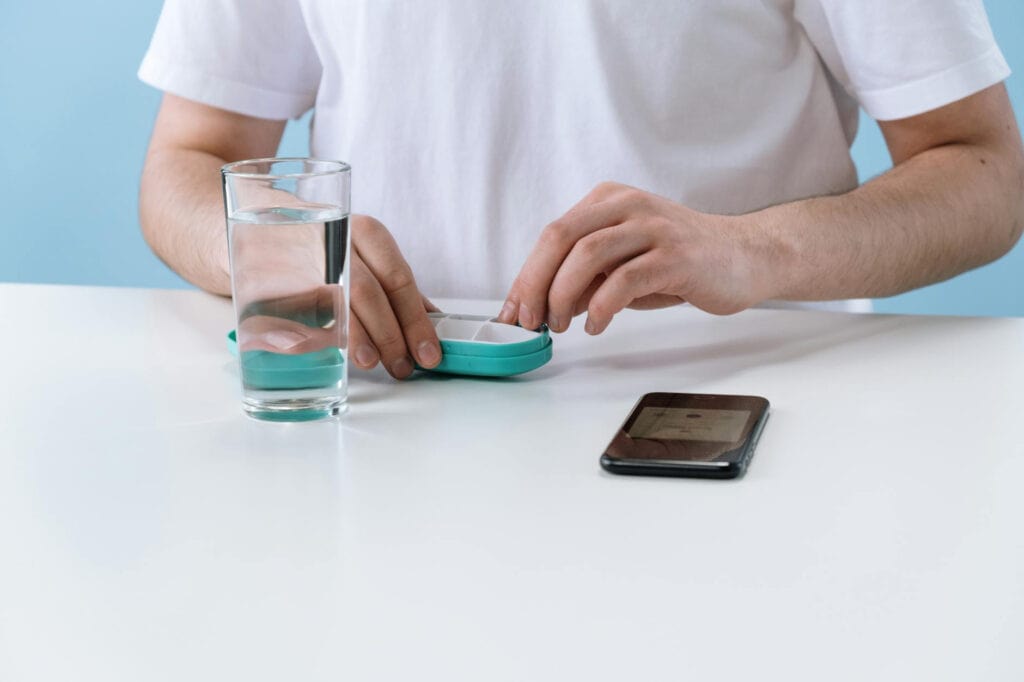
Understanding Outpatient Treatment
Outpatient treatment is a type of professional care where individuals receive therapy, counseling, and support services without staying overnight at a treatment facility. Unlike inpatient or residential care, outpatient programs allow people to live at home, go to work or school, and attend sessions during scheduled times.
These programs vary in intensity and length. Some people attend therapy once a week, while others may join intensive outpatient programs (IOPs) that require multiple visits per week.
What Does Outpatient Treatment Include?
Outpatient programs usually offer:
1. Individual Therapy
Clients meet one-on-one with a licensed therapist to work on personal goals, trauma, anxiety, depression, or substance use.
2. Group Therapy
Small groups come together to share experiences, build coping skills, and support each other under a therapist’s guidance.
3. Family Therapy
Involving family members can help repair relationships, improve communication, and create a stronger support network.
4. Medication Management
Psychiatrists may prescribe medications and monitor how they affect mood, behavior, or cravings.
5. Life Skills and Education
Workshops may focus on stress management, relapse prevention, communication, or job readiness.
Levels of Outpatient Care
Outpatient treatment is not one-size-fits-all. It’s often broken down into levels:
Standard Outpatient Program (OP)
● 1–3 hours of therapy per week
● Ideal for people with mild symptoms or those transitioning from more intensive care
Intensive Outpatient Program (IOP)
● 9–20 hours per week, spread over several days
● Suitable for people with moderate mental health or substance use issues who still need significant support
Partial Hospitalization Program (PHP)
● 20+ hours per week, typically 5–6 hours a day
● Often used as a step-down from inpatient care
This range gives people flexibility to choose what fits their life and needs.
Who Is a Good Fit for Outpatient Treatment?
Outpatient treatment works best for individuals who:
1. Have a Stable Living Situation
A safe, supportive home environment helps reinforce progress made in therapy.
2. Show Mild to Moderate Symptoms
If someone is functioning in daily life but struggling emotionally, outpatient care can help without full-time admission.
3. Have Completed Inpatient Care
Outpatient programs offer a way to continue healing after leaving a hospital or residential center.
4. Need a Flexible Schedule
People with work, school, or caregiving duties often benefit from the ability to attend therapy without uprooting their lives.
What Conditions Does Outpatient Care Treat?
Outpatient programs can support a wide variety of mental health and substance use conditions, such as:
● Depression and anxiety
● Post-traumatic stress disorder (PTSD)
● Bipolar disorder
● Eating disorders
● Alcohol or drug addiction
● Obsessive-compulsive disorder (OCD)
Research shows outpatient care can be just as effective as inpatient care for many conditions. For example, a study in Psychiatric Services found that intensive outpatient treatment can match inpatient programs in improving outcomes for people with moderate mental health issues [1].
Advantages of Outpatient Treatment
Outpatient care offers many benefits:
Affordability
Outpatient programs are generally more affordable than residential treatment. According to the National Institute on Drug Abuse, inpatient treatment can cost $10,000 to $20,000 or more, while outpatient programs often cost less than half of that [2].
Flexibility
People can continue working, attending school, and being with family while getting support.
Real-Life Practice
Because clients live in their usual environment, they can immediately apply new coping strategies to everyday challenges.
Family Involvement
Outpatient programs often involve family in therapy, improving communication and healing broken bonds.
Challenges to Consider
While outpatient treatment has many strengths, it’s not for everyone. Some challenges include:
Less Supervision
People at high risk of relapse or self-harm may need the 24/7 care that inpatient programs provide.
External Triggers
Since individuals remain in their regular environment, they may face stressors that can hinder recovery.
Commitment
Without structure, some people find it hard to stay motivated or attend regular sessions.
For these reasons, an honest assessment with a licensed provider can help determine if outpatient treatment is the right path.
Is It Effective?
Yes—when used appropriately, outpatient treatment is highly effective. The Substance Abuse and Mental Health Services Administration (SAMHSA) reports that outpatient therapy has helped reduce symptoms, prevent relapse, and improve quality of life for millions [3].
Success depends on the individual’s engagement, the support system in place, and the quality of care. Many people begin with intensive programs and gradually step down to lighter levels as they progress.
How to Get Started
If you or someone you know is considering outpatient treatment, here are steps to take:
1. Talk to a Mental Health Professional
A therapist or doctor can assess needs and recommend appropriate programs.
2. Research Local Providers
Look for licensed clinics, community health centers, or hospitals offering outpatient care.
3. Check Insurance Coverage
Many outpatient services are covered by insurance plans or Medicaid.
4. Ask Questions
Inquire about the program’s structure, staff qualifications, success rates, and flexibility.
Final Thoughts
Outpatient treatment offers a lifeline to those who need support but still want to stay rooted in their daily lives. Whether you’re managing anxiety, healing from trauma, or working toward sobriety, outpatient care can give you the tools and support to thrive—without hitting pause on everything else.
If you’re wondering whether this path is right for you or a loved one, start the conversation. Recovery begins with understanding your options—and taking that first brave step.
Citations
1. Psychiatric Services, Vol. 58, No. 12. (2007). “Effectiveness of intensive outpatient programs for psychiatric conditions.”
2. National Institute on Drug Abuse (2021). Principles of Drug Addiction Treatment: A Research-Based Guide.https://nida.nih.gov
3. SAMHSA. Behavioral Health Treatment Services Locator.https://www.samhsa.gov/find-treatment