French Door Costs – Price, Factors & Options
French Doors Cost
When it comes to home improvement, very few upgrades offer the elegance and functionality that French doors do. These timeless additions not only enhance the aesthetics of your home but also improve its energy efficiency and resale value.
However, understanding the costs associated with installing French doors can be complex, with various factors influencing the final price tag.
Different suppliers and installers will offer a range of prices for French doors. For example, Value Doors provides a wide variety of different French door configurations, which means they come in an array of prices depending on what is added to them.
With this expert guide, we delve into the intricacies of French door costs, providing valuable insights to help you make informed decisions for your next home improvement project.
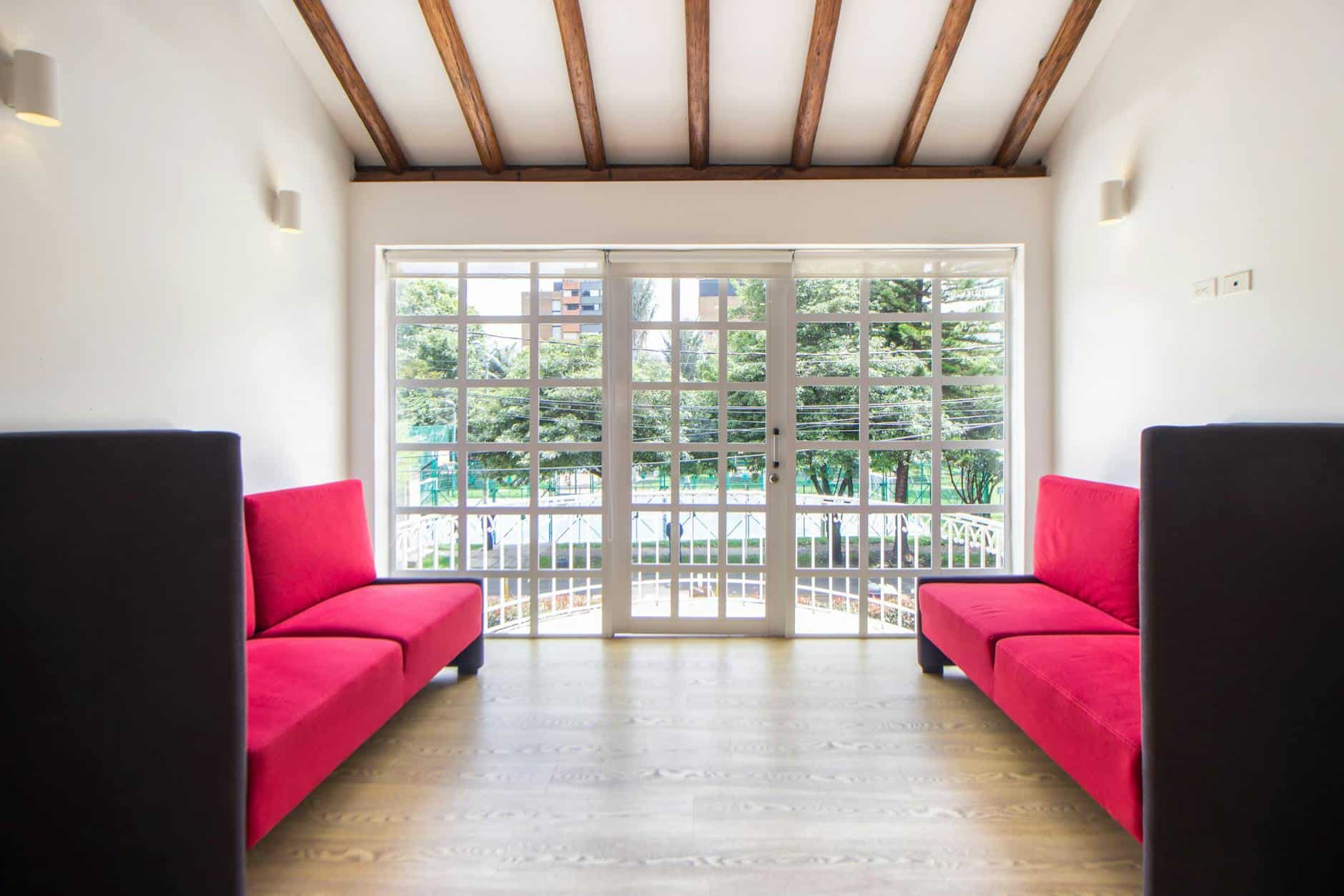
Factors Influencing French Door Costs
Before delving into specific cost estimates, it’s essential to grasp the factors that impact the overall expense of installing French doors. Several variables come into play, which we will go through here.
Material Quality and Type
French doors are available in a range of materials, including wood, fibreglass, and steel. Each material carries its own price point, with wood typically being the most expensive due to its elegance and durability.
uPVC tends to be the cheapest and is the best option when working with a lower budget, but uPVC is sometimes prone to swelling and warping in humid temperatures, which could add more cost to the doors with fixes and door replacements.
After uPVC, the next cheapest option is timber French doors, which are known for the heritage style they can add to homes. However, timber doors aren’t very practical and tend to be prone to scratching and warping, making them a poor investment because they are more expensive than uPVC.
Aluminium is slightly more expensive than timber for French doors but is often seen as a lot more beneficial. Firstly, aluminium is much more durable and is able to withstand both force and extreme weather conditions.
Also, aluminium French doors are very energy efficient and are built for security, so you can have peace of mind in your own home. So, despite having a higher initial cost, aluminium French doors could actually be more cost-effective in the long term due to their thermal efficiency and low maintenance.
The most expensive material for French doors is composite French doors, which contain layers of different materials, including uPVC, glass-reinforced polymer (GRP), timber and insulating foam. Much like aluminium, composite French doors are built for security and are extremely sturdy, making it hard to damage or break through them.
On top of this, composite French doors are highly thermally efficient due to the insulating foam built inside them. This means they can help reduce energy consumption and bills, saving you money over the years.
Size and Configuration
The size and configuration of the French doors can significantly affect the overall cost. Larger doors or those with intricate designs may require additional materials and labour, thereby increasing the price.
Glass Options
The type of glass used in French doors can vary, from standard clear glass to energy-efficient options like Low-E or tinted glass. Upgrading to speciality glass can add to the total cost but may offer long-term benefits in terms of insulation and UV protection.
Hardware and Accessories
The choice of hardware, such as handles, locks, and hinges, can impact both the aesthetic appeal and cost of French doors. Additionally, accessories like built-in blinds or retractable screens may add to the overall expense.
Installation Complexity
The complexity of the installation process, including factors such as structural modifications, existing door removal, and weatherproofing, can influence labour costs. Professional installation is important for ensuring proper fit and functionality, but it comes at an additional cost.
Cost Breakdown
While the cost of installing French doors can vary widely depending on the factors mentioned earlier, we can provide a general cost breakdown to serve as a reference point.
Material Costs
Wood: £1000 average cost
Timber: £1,100 average cost
Aluminium: £1,300 average cost
Composite: £1,400 average cost
Hardware and Accessories
Integral Blinds: £500 average cost
Installation Costs: Additional £1,000 – £1,600
Tips for Cost-Effective Installation
While French doors undoubtedly add charm and value to any home, there are ways to minimise costs without compromising on quality.
Compare Quotes
Obtain multiple quotes from reputable contractors to ensure competitive pricing and quality craftsmanship.
Consider Alternative Materials
While wood may be the traditional choice for French doors, modern alternatives such as aluminium, composite and black steel doors can provide a stylish, contemporary appearance while offering excellent durability and security.
Opt for Standard Glass
Unless specific requirements dictate otherwise, opting for standard clear glass can help keep costs in check without sacrificing natural light.
DIY Installation
For those with adequate skills and experience, DIY installation can significantly reduce labour costs. However, it’s essential to follow manufacturer guidelines and safety protocols diligently.
French Door Prices
Overall, the cost of installing French doors can vary depending on various factors, including materials, size, glass options, hardware, and installation complexity.
By understanding these factors and following our cost-effective tips, you can embark on your French door installation project with confidence, knowing that you’re making a wise investment in your home’s comfort and aesthetics.